MacMagazine
MacMagazine
2021
2021
2021
Together w/ Lola Van Roy & Alexander So
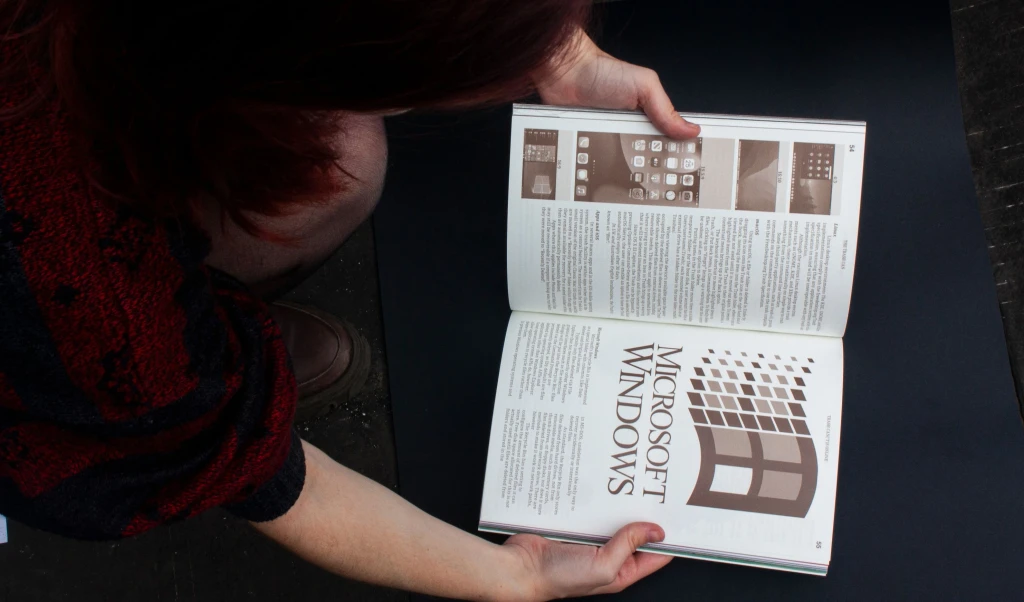
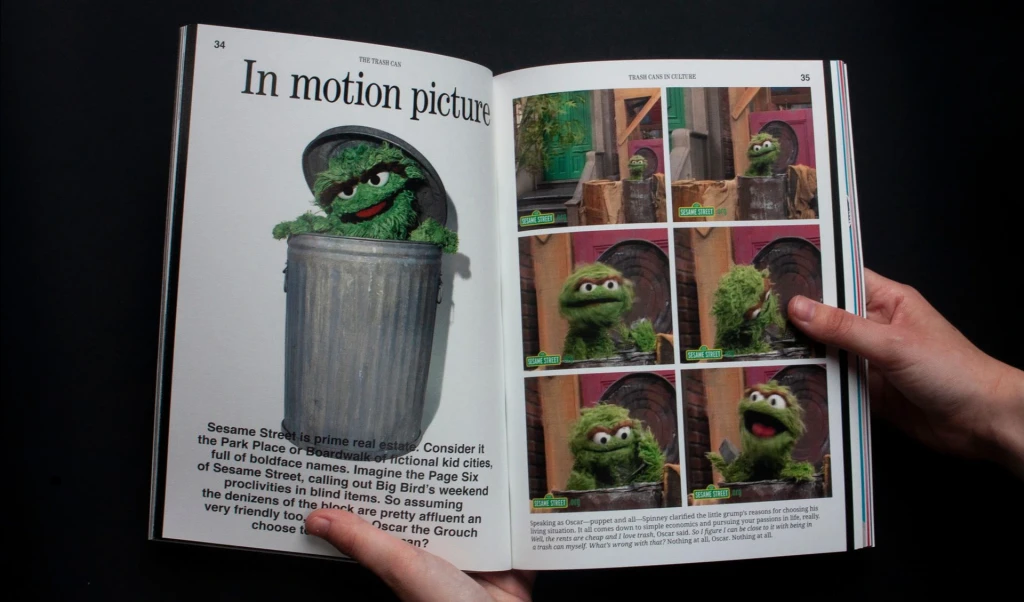
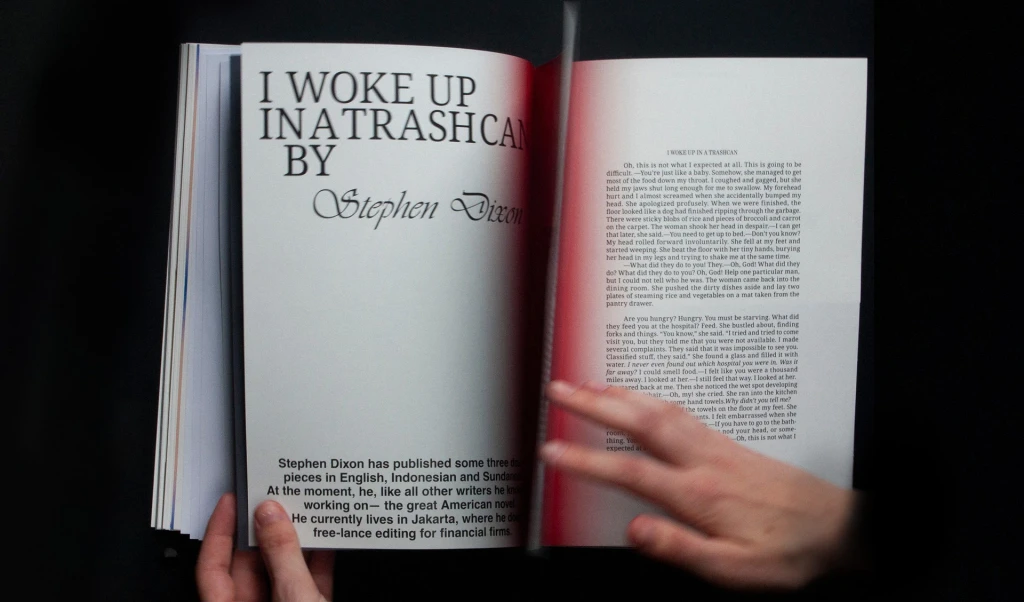
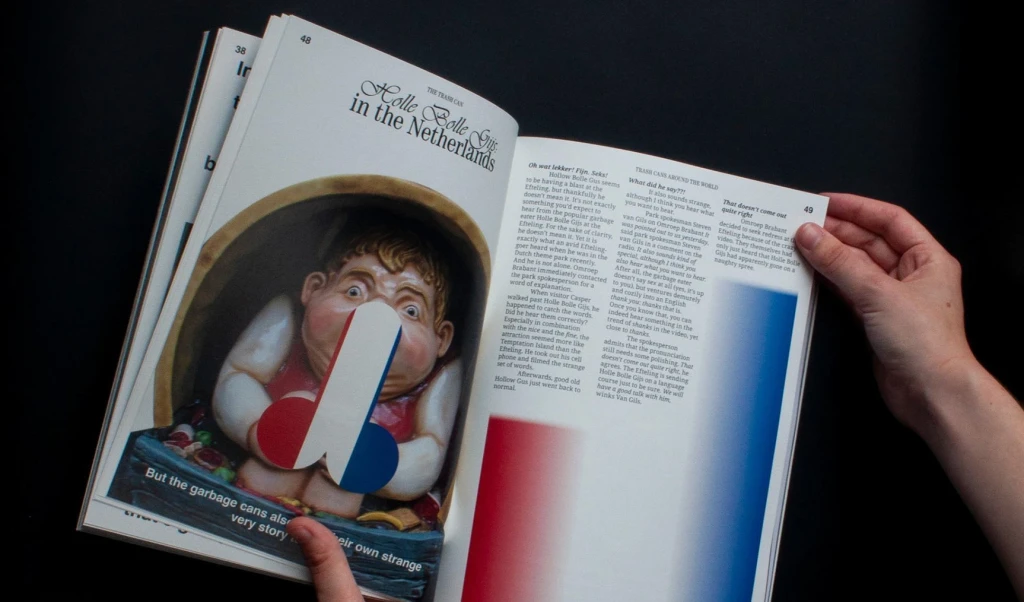
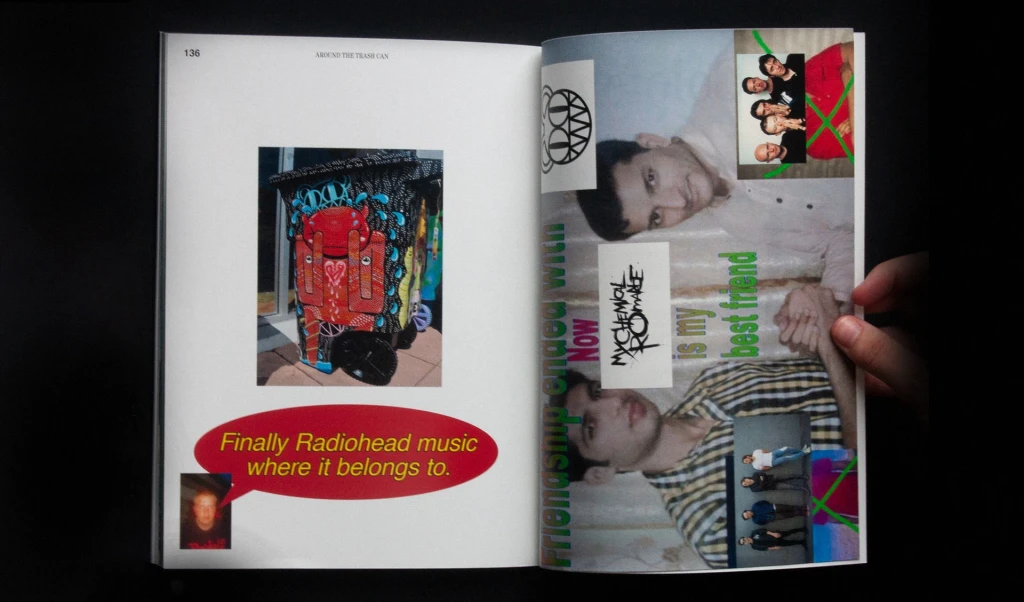
A 200-page magazine that becomes what it explores. Starting with clean layouts that progressively get "dirtier," the design mirrors a trash can's journey from empty to full. Through this playful approach, we discovered that even the most overlooked objects carry stories about what we value and what we discard.
More Info
More Info
More Info
Context
For this assignment, we were asked to reimagine a Macguffin magazine a publication that dedicates each issue to exploring a single object in unexpected depth. We chose the trash can, not because it's glamorous, but because it's honest. It's something we use every day without thinking twice, something that holds more stories than we realize.
Strategy
The concept was simple but playful: the magazine itself becomes a trash can. As you move deeper into the 200 pages, the design gets progressively "dirtier" cleaner, pristine layouts at the beginning gradually give way to messier, more chaotic visuals. It's a physical journey that mirrors what happens to a trash can over time, from empty and new to full and used.
Solution
Through this approach, we explored waste containment's surprising universe. We traced its evolution from simple necessity to design object, and found that even the most overlooked things carry meaning. The trash can became less about waste and more about what we value, what we discard, and how those choices shape the world we live in.
More Info
Context
For this assignment, we were asked to reimagine a Macguffin magazine a publication that dedicates each issue to exploring a single object in unexpected depth. We chose the trash can, not because it's glamorous, but because it's honest. It's something we use every day without thinking twice, something that holds more stories than we realize.
Strategy
The concept was simple but playful: the magazine itself becomes a trash can. As you move deeper into the 200 pages, the design gets progressively "dirtier" cleaner, pristine layouts at the beginning gradually give way to messier, more chaotic visuals. It's a physical journey that mirrors what happens to a trash can over time, from empty and new to full and used.
Solution
Through this approach, we explored waste containment's surprising universe. We traced its evolution from simple necessity to design object, and found that even the most overlooked things carry meaning. The trash can became less about waste and more about what we value, what we discard, and how those choices shape the world we live in.